
Coastal HVAC Problems in Bay County: Humidity, Salt Air, and Why Maintenance Matters
September 13, 2026 2:45 pmLiving near the Gulf of Mexico has obvious advantages, but coastal conditions can be demanding on air conditioning equipment. In Panama City, long periods of heat and humidity combine with moisture, airborne salt, heavy rain, and year-round system use to create HVAC challenges that homeowners farther inland may not experience as intensely.
The biggest coastal HVAC problems in Bay County are moisture-related wear, corrosion on outdoor equipment, clogged drainage systems, reduced efficiency, and accelerated deterioration of exposed components. Regular HVAC maintenance cannot eliminate the effects of the coastal environment, but it can help identify developing problems before they contribute to breakdowns, comfort issues, or more extensive equipment damage.
What local property owners should know
-
High humidity makes an air conditioner responsible for both cooling the home and removing moisture from indoor air.
-
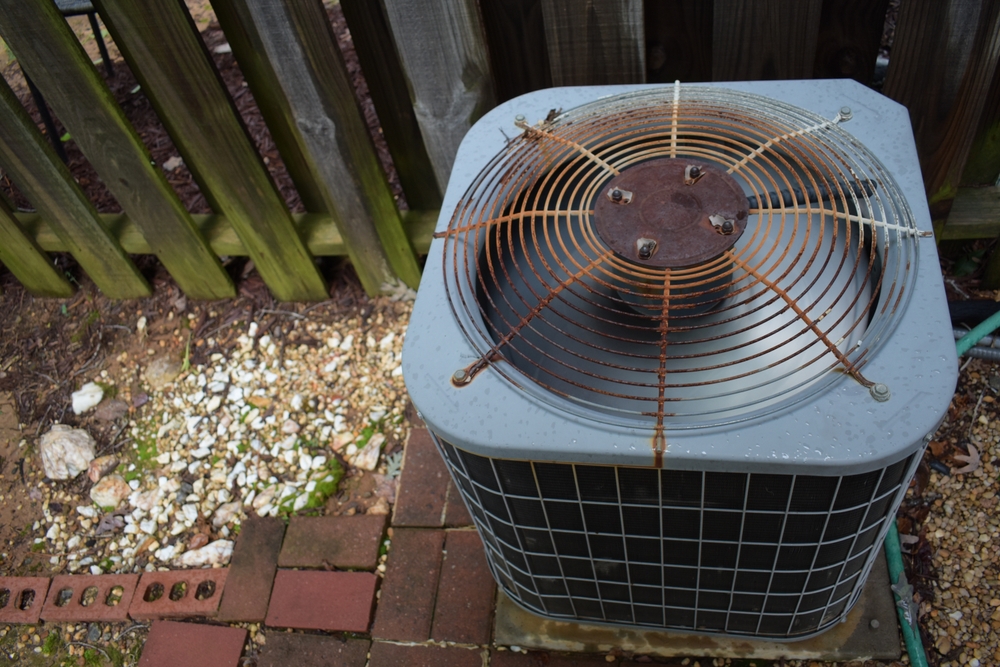
Homes near St. Andrews Bay, Panama City Beach, and other exposed coastal areas may experience more salt-related corrosion on outdoor HVAC components.
-
Condensate drains need attention because Florida’s humid cooling season produces significant moisture inside an operating air conditioning system.
-
Outdoor units should remain clear of vegetation, storm debris, leaves, and other materials that interfere with airflow.
-
Maintenance is especially valuable before periods of heavy summer demand, when an existing HVAC problem can become much more noticeable.
Why Do Coastal HVAC Problems Matter in Bay County?
Coastal HVAC problems matter in Bay County because air conditioning systems operate in an environment where high humidity, prolonged cooling demand, rain, storms, and salt-containing coastal air can all contribute to equipment wear. These conditions can affect both indoor moisture control and the condition of outdoor HVAC components.
Residents around Panama City, Lynn Haven, Callaway, Parker, St. Andrews, and communities closer to the Gulf face a climate where air conditioning is central to everyday indoor comfort for much of the year.
Humidity also changes what homeowners expect from their systems. An air conditioner that reaches the thermostat setting but does not remove enough moisture can leave a home feeling warmer or stickier than expected. Meanwhile, the outdoor portion of the system is continuously exposed to the local environment.
At Complete Air Conditioning & Refrigeration Inc., we understand that HVAC maintenance in this part of Northwest Florida needs to account for the conditions equipment actually faces here, not just whether the system turns on and produces cold air.
What Do We Commonly See With Coastal HVAC Systems?
Coastal HVAC systems commonly require attention to corrosion, drainage, airflow, moisture management, and general wear caused by demanding operating conditions. Rather than relying on a single statistic to describe every property, it is more useful to look at the recurring issues associated with HVAC equipment operating in Bay County’s humid coastal environment.
Outdoor condenser coils and metal components are directly exposed to the surrounding air. Properties closer to open water or Gulf-facing areas may have greater exposure to airborne salt than properties farther inland.
Inside the home, moisture is another concern. Air conditioning removes humidity as it cools, producing condensation that must drain properly. A restricted drain, dirty coil, airflow problem, or equipment issue can interfere with normal moisture removal.
Storms also matter. Wind can deposit leaves, pine needles, sand, and other debris around outdoor equipment throughout the region.
How Can Coastal Conditions Affect Your Home or Business?
Coastal conditions can affect HVAC systems by reducing airflow, increasing corrosion, complicating humidity control, and increasing the likelihood that small maintenance issues become noticeable during periods of heavy cooling demand. For Panama City homeowners and businesses, those effects can mean inconsistent comfort, longer operating cycles, unexpected service needs, or water around indoor equipment.
Commercial properties may face an additional concern: downtime. Restaurants, offices, retail spaces, rental properties, and other local businesses often rely heavily on climate control for occupants, inventory, equipment, and day-to-day operations.
For homeowners, an HVAC issue may first appear as a comfort problem. Rooms may feel humid, cooling may seem uneven, or the system may run longer than normal.
These symptoms are worth investigating rather than simply lowering the thermostat.
What Are the Warning Signs of a Coastal HVAC Problem?
Warning signs of coastal HVAC trouble include visible corrosion, weak airflow, unusual operating sounds, excess indoor humidity, drainage problems, longer cooling cycles, and declining comfort. Finding these symptoms early can be especially useful in Bay County because systems often operate heavily during hot, humid weather.
Watch for:
-
Rust or visible corrosion developing on or around outdoor HVAC equipment.
-
Water collecting near the indoor air handler or condensate drain.
-
A musty smell when the system operates.
-
Rooms that feel unusually humid even when the thermostat shows a comfortable temperature.
-
Reduced airflow from supply vents.
-
An outdoor unit surrounded by leaves, weeds, grass clippings, or storm debris.
-
Air conditioning that runs noticeably longer than it normally does.
-
New rattling, buzzing, grinding, or other unusual sounds.
One warning sign does not automatically mean the system needs major repair. It does mean the cause is worth identifying.
When Should You Call an HVAC Professional?
You should call an HVAC professional when your system stops cooling normally, repeatedly struggles with humidity, leaks water, develops substantial corrosion, makes unfamiliar mechanical or electrical sounds, or experiences recurring drainage problems. Panama City property owners should also consider service when a system’s performance changes noticeably during normal operation.
Homeowners can safely perform basic visual checks, including looking for debris around the outdoor unit, replacing accessible filters according to equipment and filter requirements, and watching for obvious water accumulation.
Electrical problems, refrigerant concerns, internal component repairs, coil servicing, and equipment diagnostics should be handled by a trained HVAC professional.
If water is appearing where it should not, the system repeatedly shuts down, or cooling performance has suddenly changed, professional evaluation can help determine whether maintenance or repair is needed.
What Causes HVAC Problems Near the Coast?
The most common coastal HVAC causes are humidity, salt exposure, heavy system use, restricted drainage, poor airflow, and storm-related debris. In the Panama City area, these conditions often overlap, which means a system may be dealing with environmental exposure outside while managing substantial heat and moisture inside.
1. High humidity: Air conditioners remove both sensible heat and moisture. Problems with airflow, drainage, equipment operation, or system performance can make humidity more noticeable indoors.
2. Salt-containing coastal air: Salt exposure can contribute to corrosion of exposed metals, particularly in areas closer to the Gulf, bays, and other coastal waters.
3. Long cooling seasons: Northwest Florida HVAC equipment may operate frequently for extended periods, increasing normal mechanical wear.
4. Condensate drainage issues: Moisture collected during cooling has to leave the system through the drainage system. Restrictions can lead to water-related problems.
5. Outdoor debris: Pine needles, leaves, grass clippings, vegetation, and material moved by storms can interfere with airflow around an outdoor unit.
6. Deferred maintenance: Minor problems are easier to overlook when a system still cools. Heavy summer demand can make those existing problems more apparent.
How Can Maintenance Protect a Coastal HVAC System?
HVAC maintenance can help protect coastal equipment by keeping critical components cleaner, checking drainage and airflow, identifying developing corrosion, and finding performance issues before peak cooling demand exposes them. For Bay County property owners, maintenance is less about making equipment immune to the coast and more about managing predictable local wear.
Homeowners can help between professional visits by keeping the area around the outdoor unit clear, monitoring the condensate drain area, checking filters, and watching for changing sounds or cooling performance.
After severe weather, visually check the outdoor unit for branches, leaves, or other debris. Do not open electrical panels or attempt internal repairs.
Scheduling HVAC maintenance before the hottest part of the year can also provide an opportunity to address developing problems before the system faces its heaviest workload.
What Results Can You Expect From HVAC Maintenance?
HVAC maintenance can help restore proper operating conditions, uncover developing problems, support normal airflow and drainage, and provide a clearer picture of equipment condition. It cannot reverse every form of corrosion or guarantee that an older system will never fail, but it can make preventable problems easier to identify.
For a coastal property, a useful maintenance visit should consider more than temperature output alone.
The technician may need to evaluate the condition of accessible components, drainage, airflow, electrical operation, coils, and other system functions based on the equipment and symptoms present.
If deterioration has already progressed, maintenance may reveal that repair or replacement deserves consideration.
What HVAC Maintenance Mistakes Should Local Owners Avoid?
The biggest maintenance mistakes are ignoring visible corrosion, treating humidity problems only by lowering the thermostat, blocking outdoor airflow, and waiting for complete system failure before requesting service. In Panama City, where heat and moisture place sustained demands on cooling equipment, early attention is usually more practical than reacting during a major comfort problem.
Mistake: Ignoring corrosion because the system still runs.
Consequence: Deterioration can continue unnoticed.
Better approach: Have concerning corrosion evaluated as part of routine HVAC service.
Mistake: Lowering the thermostat whenever the home feels humid.
Consequence: The underlying moisture or performance issue may remain.
Better approach: Investigate why humidity control has changed.
Mistake: Letting vegetation crowd the condenser.
Consequence: Outdoor airflow may become restricted.
Better approach: Keep the surrounding area clear without damaging the unit.
Mistake: Waiting until a hot afternoon to address obvious warning signs.
Consequence: A developing problem may become more disruptive during heavy system use.
Better approach: Schedule service when you first notice persistent changes.
What Is a Common Coastal HVAC Scenario?
A common coastal HVAC scenario is a system that appears to cool normally until hotter, more humid weather arrives and exposes an existing airflow, drainage, cleanliness, or component problem. This is not a specific customer case, but it reflects the type of situation coastal property owners should know how to recognize.
Imagine a Bay County homeowner notices that the house feels increasingly humid even though the thermostat setting has not changed. The system seems to run longer, and there is visible debris around the outdoor condenser after recent storms.
The right response is not to assume one particular component has failed. The symptoms could have several causes.
Cleaning up safe-to-remove exterior debris and checking the filter are reasonable homeowner steps. If the comfort problem continues, professional diagnosis can determine what is affecting system performance.
Which HVAC Services Can Help With Coastal Problems?
HVAC maintenance, system diagnostics, repair, drainage service, and equipment replacement can each address different stages of a coastal HVAC problem. The appropriate service depends on whether the issue is routine wear, a specific failed component, declining system performance, or equipment whose overall condition makes continued repairs less practical.
Routine service can help identify concerns before they develop further. Diagnostics are appropriate when the system is already showing symptoms. Repairs may correct individual problems, while replacement becomes a discussion when equipment condition, performance, age, or repair needs justify comparing longer-term options.
How Do Maintenance, Repair, and Replacement Compare?
Maintenance is best for preventing avoidable problems and identifying wear, repair addresses specific faults, and replacement addresses broader equipment condition or performance concerns. Bay County property owners should choose based on what the system actually needs rather than assuming every coastal HVAC problem requires new equipment.
Maintenance makes the most sense when equipment is operating but needs routine attention.
Repair becomes appropriate when diagnosis identifies a correctable problem.
Replacement may deserve consideration when deterioration is extensive, problems are recurring, or the existing system no longer provides a practical level of comfort or reliability.
A professional evaluation can provide the information needed to compare those choices.
What Areas Face These Coastal HVAC Conditions?
Coastal HVAC conditions affect properties throughout Panama City and surrounding Bay County communities, including Lynn Haven, Callaway, Parker, St. Andrews, and areas extending toward Panama City Beach. Exposure varies by location, building design, equipment placement, vegetation, and proximity to open water.
Properties close to St. Andrews Bay or the Gulf may experience different environmental exposure than homes farther inland, but humidity and extended cooling demand remain regional concerns.
What Can Happen If You Ignore Coastal HVAC Problems?
Ignoring coastal HVAC problems can allow corrosion, drainage restrictions, airflow issues, or declining component performance to progress until they become more disruptive. Waiting does not automatically mean a major failure will occur, but Bay County’s demanding cooling environment gives existing problems plenty of opportunity to worsen during heavy use.
A small drainage concern can become a water problem. Restricted airflow can affect system operation. Progressive corrosion may eventually affect components that were previously serviceable.
Routine attention gives homeowners and businesses more opportunity to make planned decisions instead of responding only after indoor comfort is lost.
Frequently Asked Questions About Coastal HVAC Problems
Does salt air really affect HVAC equipment in Panama City?
Yes. Salt-containing coastal air can contribute to corrosion of exposed metal components, especially on equipment located closer to bays, beaches, or other open coastal areas. The amount of exposure varies by property, but homeowners should periodically inspect outdoor equipment and have concerning deterioration evaluated during professional HVAC service.
Why does my Bay County home feel humid even when the AC is running?
A Bay County home can feel humid when the cooling system is not removing moisture as effectively as expected. Airflow problems, equipment condition, drainage issues, operating characteristics, or other HVAC factors may contribute. If humidity has changed noticeably, professional diagnosis can help determine whether the cause is maintenance-related or requires repair.
How often should coastal HVAC systems receive maintenance?
The correct maintenance schedule depends on the specific equipment, manufacturer guidance, operating conditions, and property environment. Coastal systems can benefit from consistent inspection because humidity, debris, long cooling seasons, and corrosion may create additional maintenance concerns. Follow the equipment manufacturer’s recommendations and ask an HVAC professional about conditions at your property.
Should I rinse salt off my outdoor AC unit in Panama City?
Do not assume that spraying or cleaning an outdoor unit yourself is appropriate for every system. Improper cleaning methods can damage coil fins, electrical components, or other parts. Homeowners can keep surrounding debris and vegetation under control, while coil cleaning and corrosion concerns are best addressed according to equipment requirements and professional guidance.
Are homes near St. Andrews Bay harder on air conditioners?
Homes near St. Andrews Bay may experience greater exposure to moisture and salt-containing coastal air than some inland properties, although actual conditions vary by location and equipment placement. Humidity affects the broader region as well. Outdoor equipment condition should therefore be evaluated based on the individual property’s exposure rather than distance from the water alone.
Can high humidity damage an HVAC system?
High humidity primarily increases the moisture-management demands placed on an air conditioning system, and the condensation produced during normal cooling must drain correctly. Persistent moisture problems can contribute to comfort and drainage concerns. In Panama City, unusual indoor humidity is a useful warning sign that system performance deserves closer attention.
What should I check after a Bay County storm?
After a Bay County storm, safely inspect the outdoor HVAC area for branches, leaves, vegetation, standing debris, or obvious physical damage. Do not touch damaged electrical components or open equipment panels. If the unit appears damaged, sounds different, or no longer cools normally, arrange professional service before attempting internal repairs.
Is visible rust on an outdoor AC unit always serious?
No. Visible rust does not automatically mean an air conditioner is failing, but the location and extent of corrosion matter. Surface deterioration can be different from corrosion affecting coils, electrical components, structural sections, or refrigerant-containing parts. A professional can determine whether the condition is cosmetic, maintainable, repairable, or more significant.
Protect Your Comfort From Bay County’s Coastal Conditions
Coastal HVAC systems operate in an environment shaped by humidity, salt exposure, storms, and long periods of cooling demand. Consistent maintenance and early attention to changing performance can help Panama City property owners make better decisions about their equipment before minor concerns become more disruptive.
Keep Your Bay County HVAC System Ready for Coastal Conditions
We can help evaluate your system, identify maintenance or repair needs, and explain the options appropriate for your property.
Categorised in: HVAC
This post was written by admin