
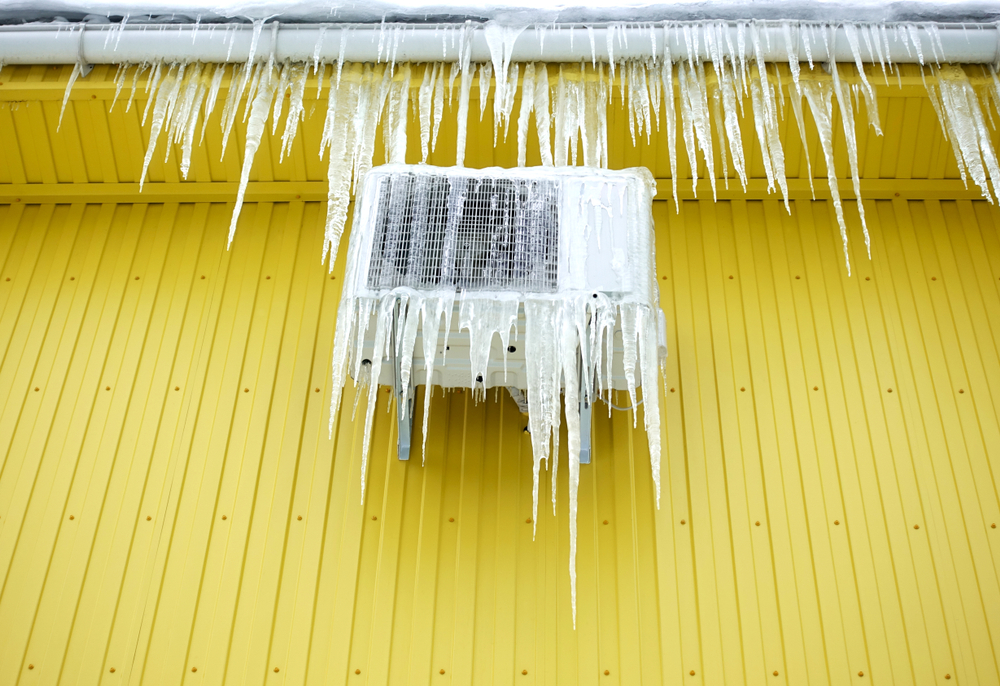
Top Reasons Your AC Keeps Freezing Up in Coastal Florida Homes — And Proven Fixes from HVAC Experts
December 19, 2025 3:41 pmLiving in coastal Florida has plenty of perks, sunshine, sea breezes, and easy access to the beach, but the same climate that draws people in can wreak havoc on air conditioning systems. If you’ve ever walked into a warm house only to find your air conditioner coated in ice, you’re not alone. AC units in places like Panama City, FL, often fall victim to freezing issues that baffle homeowners.
Understanding why AC units freeze up in coastal Florida homes starts with recognizing the unique environmental conditions in the area. The combination of high humidity, salty air, and frequent use places heavy demands on HVAC systems. Over time, these factors can lead to system inefficiencies, component failures, and a thick sheet of ice forming over the evaporator coils.
Here’s a closer look at the top reasons this happens and what HVAC experts recommend for fixing frozen air conditioner coils and restoring cool comfort to your home.
Poor Airflow from Clogged Filters and Blocked Vents
One of the most common and overlooked causes of AC freezing is restricted airflow. In coastal Florida, where air conditioners often run for long stretches, air filters become clogged much more quickly. When filters are dirty or return vents are blocked, warm air can’t circulate properly through the evaporator coils.
As a result, the refrigerant within the coils gets too cold, and moisture from the air begins to freeze on the surface of the coil. Over time, this creates a thick layer of ice that further impedes performance. In extreme cases, the entire indoor unit can freeze up, leaving the system unable to cool at all.
Routine maintenance is the most effective fix for this issue. HVAC experts in Panama City, FL, recommend checking air filters monthly and replacing them every 30 to 60 days, especially during high-use periods. Ensure that return and supply vents are open and unobstructed by furniture, rugs, or drapes. These simple actions can significantly reduce the risk of frozen coils and help maintain proper airflow throughout your home.
Low Refrigerant Levels and Leaks in the System
Refrigerant plays a vital role in the heat exchange process of an air conditioning system. If there’s a leak in the refrigerant line or the system was improperly charged, pressure levels within the evaporator coils can drop. In coastal environments, corrosion from salty air often leads to small pinhole leaks in copper lines, which slowly deplete refrigerant levels.
When the pressure inside the coil decreases, the temperature of the refrigerant can drop below freezing. Any moisture in the air that comes into contact with the coils freezes instantly, gradually icing over the entire unit. This not only reduces efficiency but can also lead to permanent damage if not addressed quickly.
Fixing frozen air conditioner coils due to refrigerant loss isn’t a DIY job. Licensed HVAC repair professionals in coastal Florida have the tools to detect refrigerant leaks, recharge the system to manufacturer specifications, and replace any corroded components. If your AC freezes up repeatedly despite proper filter maintenance, it’s a strong sign that a refrigerant issue is to blame.
Dirty Evaporator Coils and Salt Accumulation
Coastal Florida homes face a unique maintenance challenge: salt. Salty air is more than just a nuisance for cars and outdoor furniture; it also finds its way into your HVAC system. Over time, salt particles accumulate on the evaporator coils, forming a sticky layer that attracts dust and debris.
When coils are covered in grime, they lose their ability to absorb heat from the air. This causes the temperature of the refrigerant to plummet, eventually freezing any moisture that settles on the coil’s surface. Compounded by the already high humidity of the region, this problem can escalate quickly if left unchecked.
Regular coil cleaning is an essential part of HVAC maintenance near the coast. HVAC experts in Panama City, FL, often recommend having coils cleaned at least once a year, and sometimes more often for homes within a few blocks of the ocean. Professional cleaning not only removes salt and debris but also restores the coil’s ability to transfer heat effectively, reducing the risk of freezing.
Oversized AC Systems and Poor System Design
Believe it or not, a bigger air conditioner isn’t always better. In many homes across coastal Florida, especially newer builds or renovated properties, HVAC systems are often oversized. While it might seem like a powerful AC would cool your home faster, it actually introduces several problems.
An oversized unit cools the air too quickly, which doesn’t allow enough time for the system to dehumidify properly. This leaves moisture in the air, increasing the chance that water vapor will freeze when it comes into contact with cold coils. Short cycling, when the unit turns on and off too frequently, also prevents the coil from warming up adequately between cycles, encouraging ice buildup.
The best way to fix this issue is to have a professional HVAC technician conduct a load calculation. This process evaluates the size and insulation of your home, your climate, and other factors to determine the proper AC capacity. If your current unit is oversized, solutions might include adjusting airflow settings, zoning your system, or replacing it with a correctly sized model during your next upgrade.
Thermostat and Sensor Malfunctions
Thermostats and temperature sensors control when and how your AC operates. If these components are faulty or poorly calibrated, they can cause the system to run longer than necessary or not cycle off properly. In Panama City’s humid climate, overcooling the coils can quickly lead to freezing, especially during overnight hours when outdoor temperatures drop slightly.
A malfunctioning thermostat might fail to detect the actual indoor temperature, instructing the system to keep running even when cooling isn’t needed. Similarly, a damaged coil sensor can misread temperatures inside the unit, leading to refrigerant pressure imbalances and eventual icing.
In these cases, accurate diagnostics from an HVAC expert are essential. Technicians can test the thermostat, recalibrate sensors, or replace faulty components. Smart thermostats are also becoming increasingly popular in coastal Florida homes, offering more precise control and scheduling features that help prevent overuse and reduce the risk of freezing.
Conclusion
Understanding why AC units freeze up in coastal Florida homes requires a closer look at how local conditions affect the components of your HVAC system. From salty air and heavy humidity to design flaws and overlooked maintenance, there are multiple factors that contribute to frozen coils and system breakdowns.
Luckily, most of these problems are preventable with regular care and expert insight. Whether it’s fixing frozen air conditioner coils or scheduling annual inspections, homeowners in Panama City, FL, can take proactive steps to avoid costly repairs and uncomfortable days without air conditioning. Partnering with a trusted HVAC repair professional for AC freezing issues ensures that your system stays efficient, reliable, and ready to handle the unique demands of coastal living.
Need HVAC Services in Panama City, FL?
Since 1985, Complete Air Conditioning & Refrigeration, Inc. has been the premier place to tackle all of your cooling issues. We handle just about anything because we work on all brands and have over 40 years of experience. In addition to being a member of the BBB, we are also a Gulf Power Checkme! contractor and affiliated with the Gulf Coast Electric Cooperative. If you are looking for a knowledgeable and skilled contractor, Complete Air Conditioning & Refrigeration, Inc. is the place to call. Contact us today to learn more about what we can do for you!Categorised in: AC Service, HVAC, HVAC Contractors
This post was written by admin
Comments are closed here.